
- King Mufasa Expeditions
- Our Blog
- Safari
- When is the best time for a safari in Tanzania?
When is the best time for a safari in Tanzania?
The Best Time for a Safari in Tanzania?
One of the most common questions travelers ask is, “When is the best time for a safari in Tanzania?”
While there are peak seasons for tourism, the best time really depends on what you enjoy. Keep reading to find out which season in Tanzania suits your preferences and travel interests best.
Weather is key
Other places may have typical seasons like summer, winter, fall, and spring, but Tanzania is close to the equator and the Indian Ocean. This means its weather is more tropical and equatorial.
Tanzania has two main seasons: wet and dry. The wet season is when it rains, while the dry season is sunny and can get quite hot. Each season has its own benefits and challenges, which we’ll explore further below.
The seasons in Tanzania
January - March
The beginning of the year is usually the hottest time in Tanzania, with temperatures peaking in February. This season is mostly dry and one of the busiest times for safaris. Parks can feel crowded, especially around New Year’s.
During this time, animals gather around rivers and lakes for water, as other sources dry up.
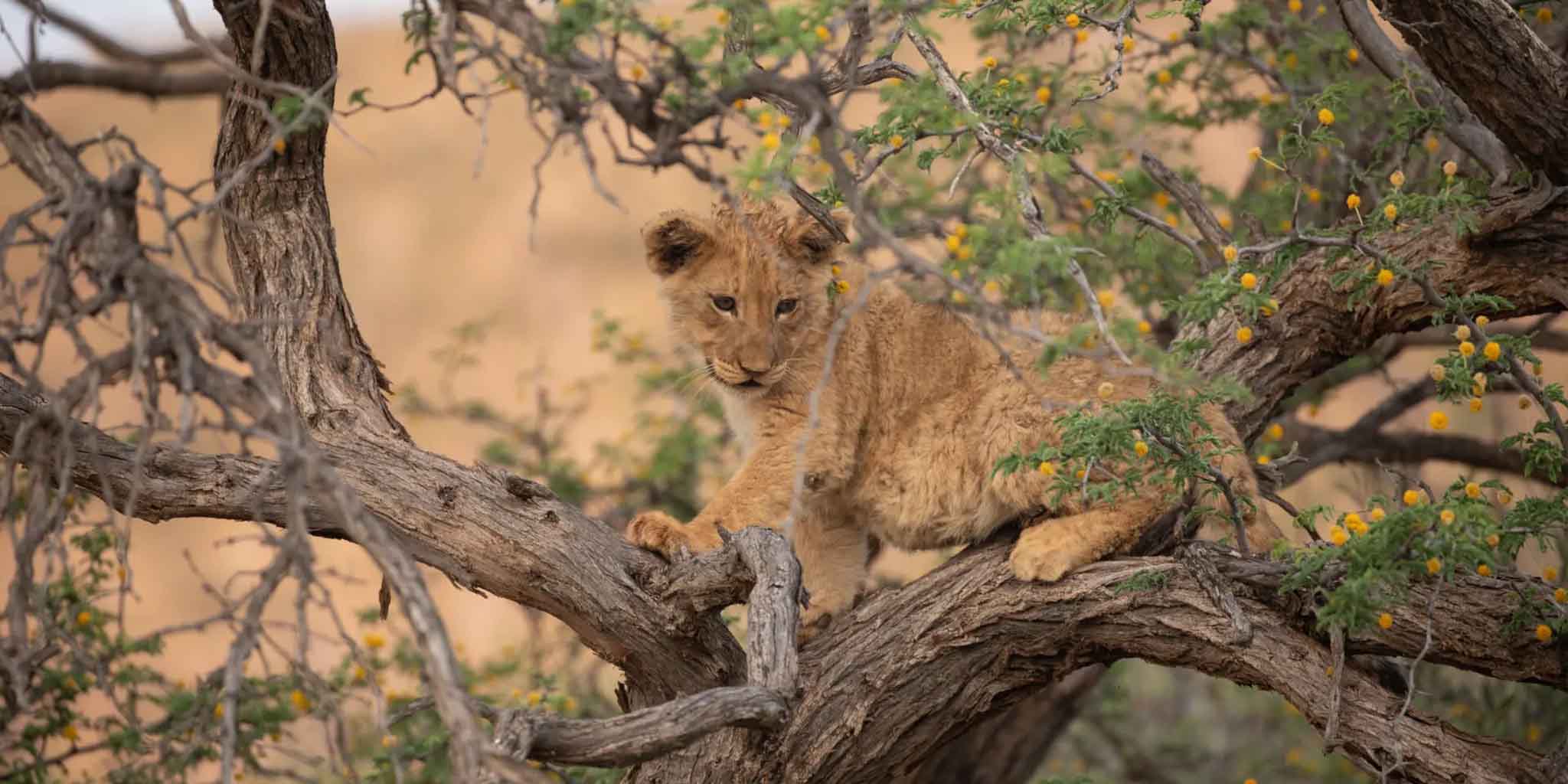
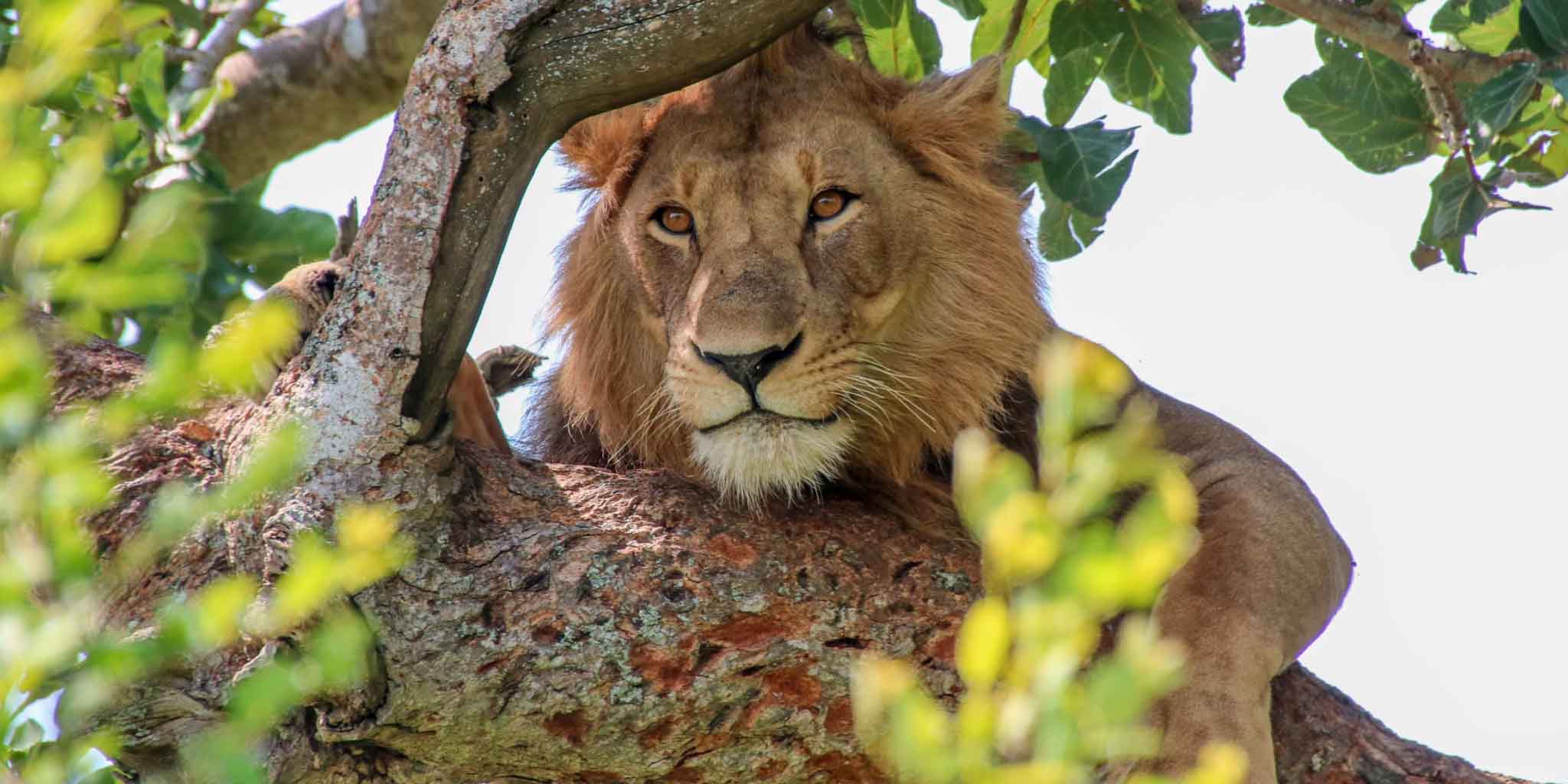
Tarangire National Park is especially popular in these months. Zebras and gazelles flock to the Tarangire River for water, and predators like lions and leopards aren’t far behind. It’s an excellent time to spot a variety of wildlife.
March - May
From mid-March to May, Tanzania experiences its “long rainy season,” with rain usually falling at night and in the mornings. The sun often shines in the afternoons, and the evenings are calm and peaceful.
The rain turns the landscape lush and green, and animals are more active, with plenty of water sources available.
However, some park roads may become difficult to navigate because of flooding or deep mud. The main roads are generally fine, and many parks, including the Ngorongoro Conservation Area, have paved sections that are easy to drive on.
During this season, there are fewer tourists, and most accommodations offer discounts. Travelers who don’t mind the rain often find this time to be a quiet, private adventure, with the park almost to themselves. It’s a great chance to see animals in their lively, green habitat.
June - September
This time of year is considered the “cold” season in Tanzania. While locals might bundle up in winter coats and hats, visitors from warmer climates often find the weather pleasant and refreshing. You’ll want a jacket for the cool mornings, but the afternoons are sunny and dry, with comfortable temperatures.
It’s another popular time to visit Tanzania, with many travelers exploring the national parks. If you prefer milder weather over the heat, this is the perfect time to visit during the dry season. It’s also a great time for witnessing the Great Migration in Serengeti National Park.
October - December
The short rains typically fall between October and December, and the weather becomes warmer as the year comes to a close.
October is when jacaranda trees across East Africa bloom, creating a stunning sight with their purple flowers. By December, the Flame Trees blossom, turning vibrant red just before Christmas.
Christmas is a popular time for tourists in Tanzania, and by mid-December, the short rains usually stop. Many visitors choose to do something special for the holiday, like climbing Mount Kilimanjaro to celebrate the season. Hotels and lodges often serve festive meals for guests.
The weather in December is usually considered perfect, but parks and accommodations can be busier than at other times of the year.
Dry Season: Pros and Cons
Pros:
✓ Favorable weather
✓ Abundance of Wildlife
✓ Scenery looks like many images of Africa; vast, dry grasslands and animals around watering holes
✓ Holiday Seasons, and when most visitors have time-off
✓ Good weather for an evening swim in the swimming pool at your hotel/lodge
✓ Suggested time for a family vacation or honeymoon
✓ Popular tourist time
Cons:
✖ Parks may feel more crowded/busy
✖ Accommodations are full-price (no discounts)
✖ The end of the dry season may be dusty – bring a bandana or handkerchief to help.
Pros:
✓ See Africa in a new way! Tropical climate with green forests and active animals
✓ Photographers especially enjoy capturing wildlife during the rainy season, and the contrast of colors looks amazing.
✓ Guests may receive low-season discounts
✓ Parks are not crowded and guests feel they are on a private adventure
Cons:
✖ Some park roads may be inaccessible
✖ Likely to experience some wet days – but it does not rain all day and typically there is significant sun at some point each day
✖ Bring a rain jacket and shoes that are water resistant for your comfort
✖ In some parks the animals are more dispersed during the rainy season
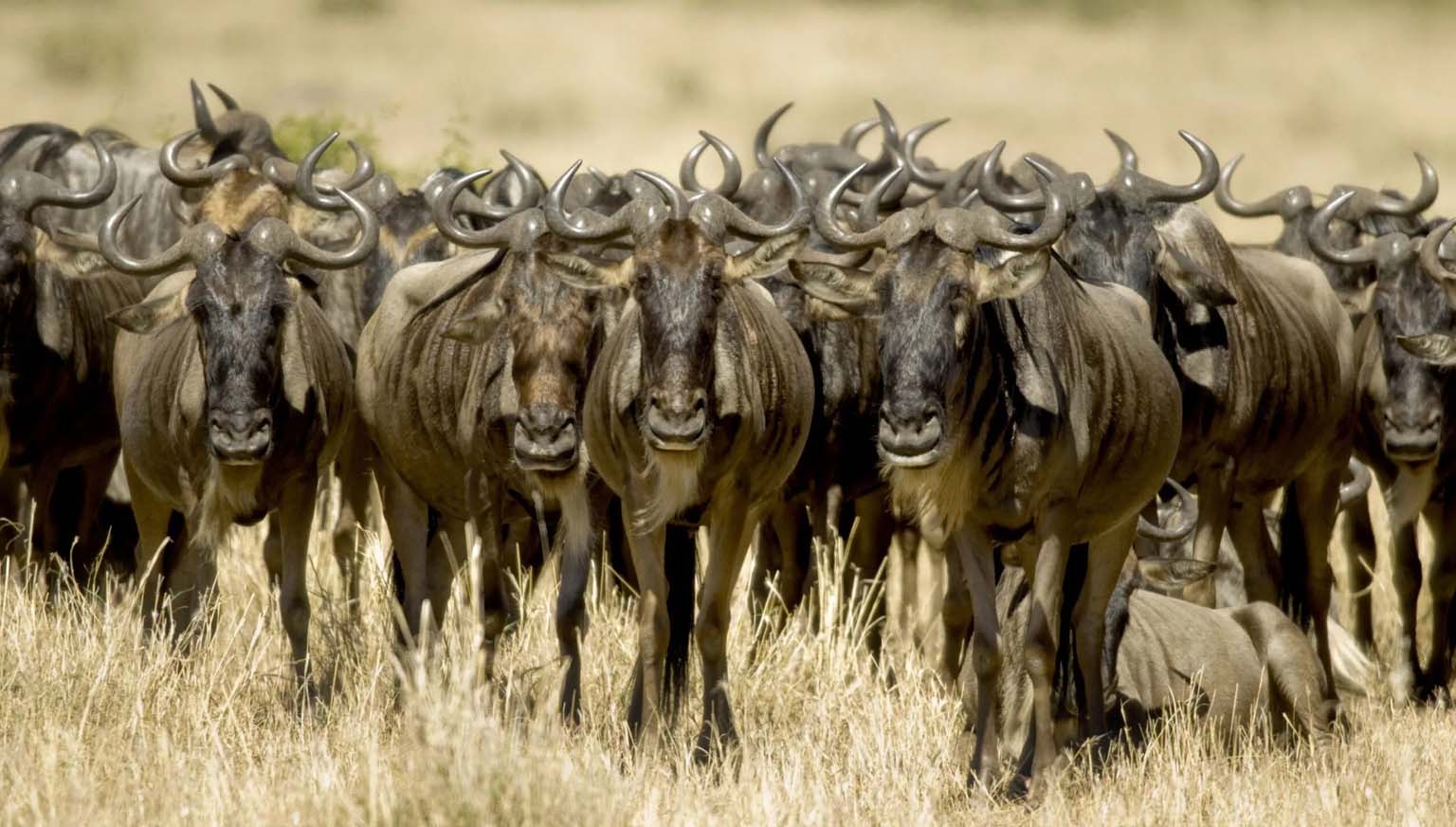
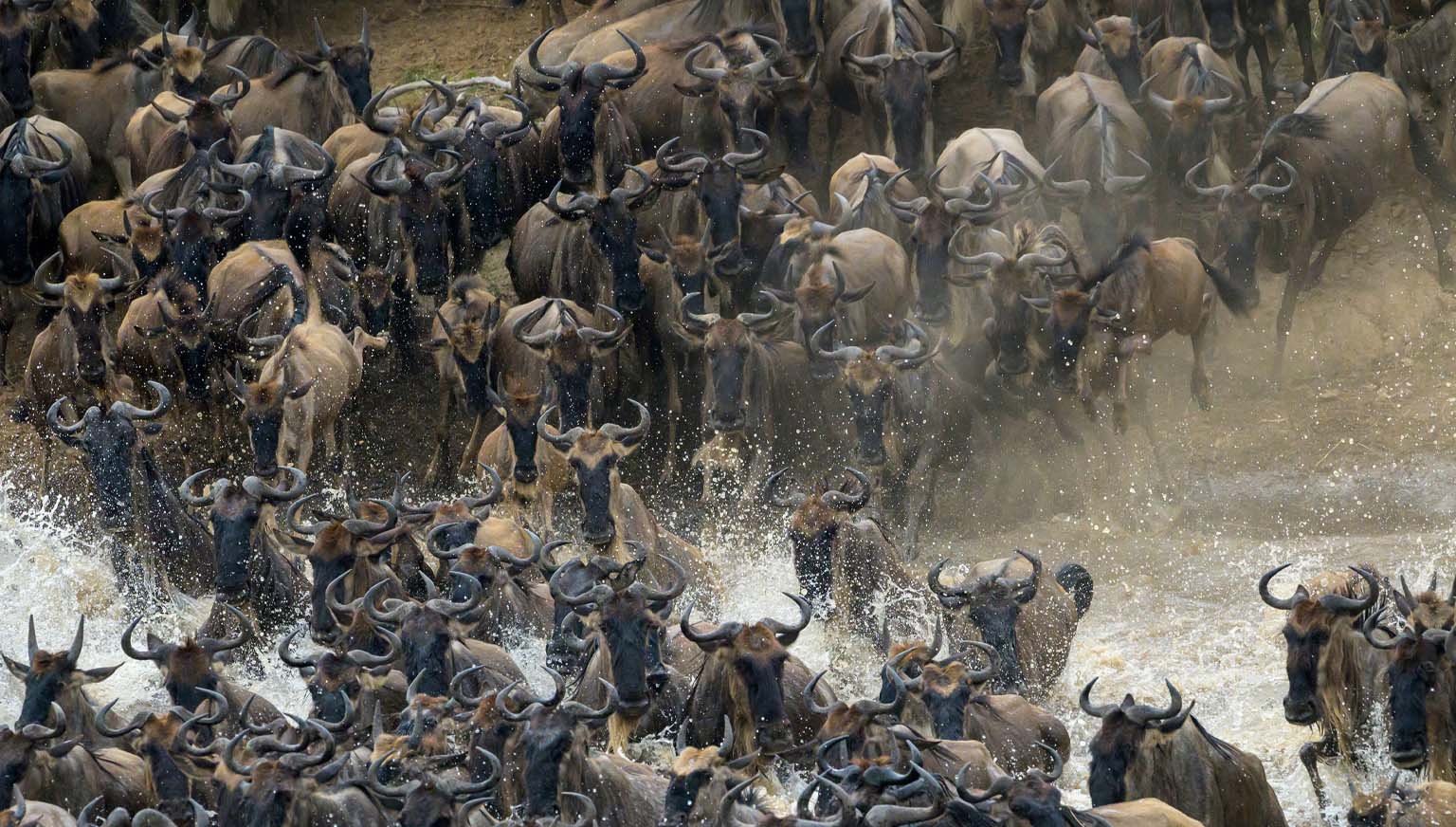
One of the biggest attractions in Tanzania is the Great Migration in Serengeti National Park. Each year, this natural phenomenon draws tourists from all over the world to witness the colossal movement of animals across the Grumeti River. It is one of the reasons the Serengeti is a UNESCO World Heritage Site, as it is the largest migration of animals on the planet. The Great Migration occurs annually, even continually across the entire area of the Serengeti.
For a short period (approximately 2 months each year), herds of wildebeests and other ungulates are in Kenya. Usually, around July and August, they migrate there with an epic river crossing, risking crocodiles and other predators to return to the fresh grass of the Maasai Mara. Herds spend the remainder of the year in Tanzania, mostly in the Serengeti or the corner of Ngorongoro Conservation area. This is where they will mate, birth their young and enjoy the lush grasses of the Serengeti for approximately 10 months of the year.
What causes the animals to continue to move around? The Great Migration is driven by the animals’ need for food and water. Herds of wildebeests, gazelles, zebras, impalas, and elands move in search of greener grass and fresh water. As the weather shifts from dry to wet, they travel to find better sources of food and hydration, always followed by their predators lions, cheetahs, and leopards.
Different parts of the Great Migration can be seen at various times of the year, so there’s always a chance to witness this amazing spectacle.
February is calving season, when thousands of baby wildebeests are born every day. It’s an amazing time to witness new life, as baby wildebeests are able to stand and run just shortly after birth an incredible display of nature’s strength and survival.
In March and April, the herds start to gather in the Seronera area of the Serengeti. This creates amazing photo opportunities, with vast numbers of animals peacefully grazing in a stunning, scenic landscape.
In May, the herds start moving north, forming impressive lines of animals marching in sync. They may gather at the Western Corridor, where they find a safe spot to cross the Grumeti River. This gives visitors a chance to witness the incredible sight of so many animals traveling together—a truly amazing display of nature in motion!
From July to early September, visitors have the chance to witness the incredible migration and the thrilling Mara River crossing. The animals charge through the dangerous waters in huge numbers, desperately trying to reach the other side. It’s a dramatic spectacle, often featured in National Geographic, but there’s nothing like experiencing the raw power and energy of nature in person, right before your eyes.
You’ll leave with a deeper appreciation for Africa’s wildlife and the raw beauty of nature, untouched by human hands. It’s incredible to think that this annual migration has been happening for probably thousands of years, and we’re still able to witness it today!
There are two main river crossings during the migration: the Mara River and the Grumeti River. These names refer to the direction the animals are traveling:
- The Grumeti River crossing usually happens in May and June, as the herds move into Kenya.
- The Mara River crossing occurs when the herds move from Kenya back into Tanzania, often in July and August.
As you can see, the Great Migration is a year-round spectacle in Serengeti National Park, with something exciting to see at nearly any time of the year. If witnessing the Great Migration is on your bucket list, this is your chance to make that dream come true!
Let's Plan your Trip
Our sample itineraries are fully adjustable and can be tailored to perfectly suit your unique preferences and interests.
