
- King Mufasa Expeditions
- Our Blog
- Climbing
- How to prepare for the climb
How to prepare for the climb
How to prepare for the climb
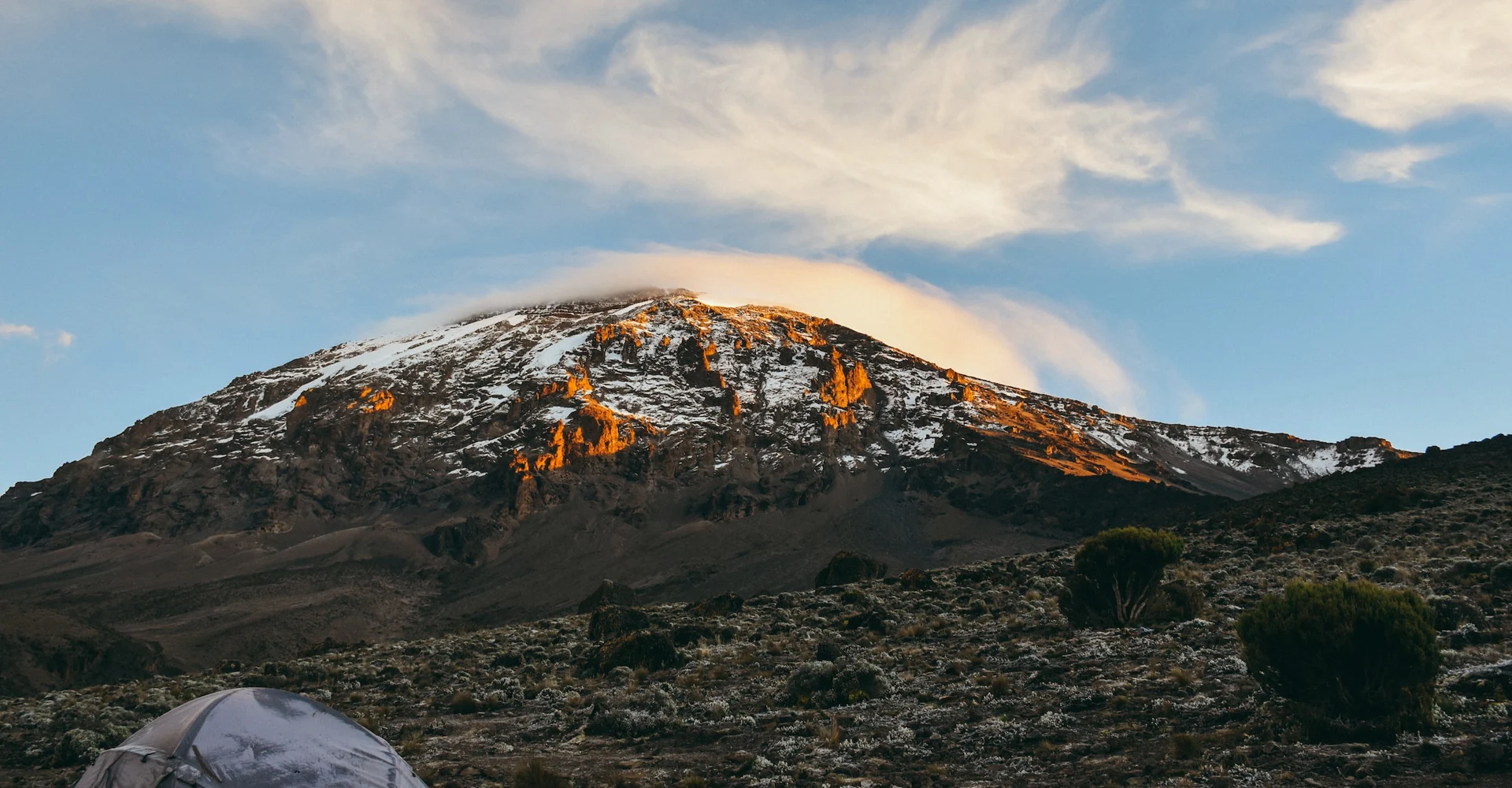
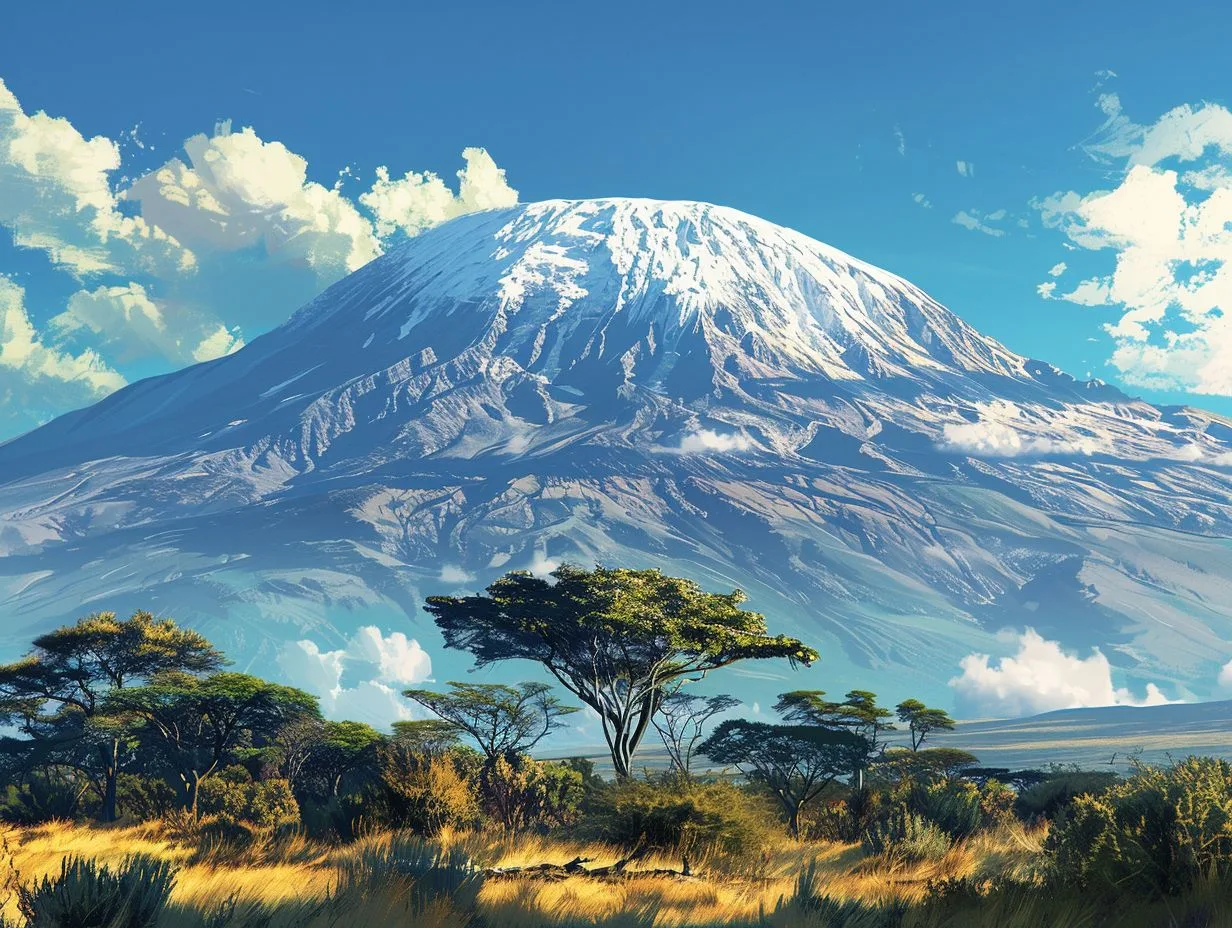
Climbing Mount Kilimanjaro is a unique and extraordinary adventure, unlike a typical vacation. It’s not like a beach getaway or a simple hiking trip it requires careful preparation. At 5,895 meters (19,340 feet), Kilimanjaro is the highest mountain in Africa, and for many climbers, it’s the highest point they will ever reach. This makes it a truly once in a lifetime experience.
However, climbing Kilimanjaro comes with risks, especially due to its high altitude. Without professional guides and the right equipment, climbers can face serious health risks from the altitude.
It’s important to remember that proper gear is essential. You can’t climb Kilimanjaro in just any hiking clothes you’ll need specialized gear to stay safe and comfortable.
There are a few important things to consider when preparing for this unforgettable adventure in the heart of Africa. In this article, we’ve put together key tips and recommendations to help ensure your Kilimanjaro climb is successful and hassle-free.
Choose the right operator
When it comes to planning your Kilimanjaro adventure, this is perhaps the most important step. Booking with King Mufasa Expeditions is the best way to ensure you’re in good hands. Every year, we take over a thousand trekkers to the Roof of Africa. Our office and climbing base are located right at the foothills of Kilimanjaro, and we personally manage, oversee, and supervise every departure.
Some of the great benefits of booking with us include:
Local Presence – We are a fully registered company based right at the foot of Kilimanjaro. We don’t subcontract our climbs to other companies. We handle every aspect of your climb ourselves, ensuring that all details are professionally managed. If you have any questions or concerns, we address them directly there are no third parties involved!
Read the reviews about operators, but DON’T make them the only criteria for your final choice. We work with some amazing operators who might not have a high rating on TripAdvisor, and unfortunately, we also know some top-rated companies whose services aren’t great. Some businesses push their clients to leave positive reviews in exchange for money, discounts, or other perks. Meanwhile, people who leave bad reviews are sometimes offered money to take them down.
Ask about the guides’ qualifications and porters treatment practices. The mistreatment of porters is a growing issue in the tourism industry, especially for Kilimanjaro climbs. Many porters come from poor backgrounds and lack advanced education. Unfortunately, some operators take advantage of their vulnerable positions by offering low pay, poor working conditions, and inadequate meals during their time on a Kilimanjaro climbing crew. This not only puts them at risk but also means they don’t earn a fair income, leaving them stuck in poverty.
When choosing a tour operator for your Kilimanjaro trek, we encourage you to ask about their treatment of porters. Don’t settle for a simple “we treat them well” answer ask for clear guidelines on how they pay and care for porters during the trek.
Feel free to ask us about how we care for every member of our climbing teams, including porters. We are happy to share how we support these valuable team members!
Choose longer itineraries for your trip
You’ve likely come across information online about Kilimanjaro itineraries ranging from shorter 5-day treks to longer 7 or 8-day adventures. Some trips, especially those with Crater Camping, can even last 10 days or more. It might be tempting to choose the shorter Kilimanjaro routes since, after all, they all lead to the summit of Africa, right? So, why pay more and spend more time on the mountain?
There are two main reasons:
Better acclimatization. As you climb higher, the oxygen level in the air decreases because atmospheric pressure drops and oxygen molecules become more spread out. In simpler terms, each breath you take at higher altitudes brings in less oxygen. However, your body can adjust to this by breathing more deeply and intensely, allowing red blood cells to carry oxygen more efficiently, along with other bodily changes. But your body needs time to adapt, which is why spending more time on the mountain is crucial. You can learn more about acclimatization in this article.
It’s also important to note that rushing up Kilimanjaro without enough time for acclimatization (your body’s adjustment to lower oxygen at higher altitudes) can lead to altitude sickness, forcing you to descend before reaching the summit.
In short, a shorter itinerary lowers your chances of successfully climbing Kilimanjaro. You can read more about that in this article.
Better scenic experiences. When you rush from one camp to the next, trying to get there before sunset, you might miss out on some of Kilimanjaro’s most stunning spots. That’s a shame—Kilimanjaro is one of the most beautiful places on Earth! Why not take your time on the Shira Plateau or Barranco Wall, soak in the breathtaking views, and snap some amazing photos? Or even enjoy a relaxing break with a cup of tea, surrounded by friends, in the middle of your hike between camps?
Climbing the highest mountain in Africa is a once-in-a-lifetime adventure, and rushing through it isn’t the best way to enjoy the experience. When you consider the investment in a Kilimanjaro trek, there’s not much difference between a 6-day and a 7-day itinerary, but the impact on your overall experience is huge. A longer trek is more rewarding and, importantly, safer. You’ll be able to truly savor the beauty of Kilimanjaro and won’t feel rushed or uncomfortable.
Did we mention that longer itineraries have higher success rates? Check out these 7-day Kilimanjaro itineraries, which have the highest success rate of all.
Choose the right time for your adventure
Tanzania is an East African country that lies on the equator and Mount Kilimanjaro is just 205 miles from the equatorial line. Because of this, there are no traditional seasons here, but dry and rainy seasons instead.
The dry seasons are:
From late December to early March – because it is also the Christmas holidays period, this time is especially popular among tourists.
From early June till early October – though it is surprisingly cooler than in the “winter” dry season, the weather is sunny and the sky is clear.
The rainy seasons are:
From mid-March till late May is the “big” rainy season. It is called like this not because of the intensity, but because it lasts longer than the “small” one, which, in its turn, starts in late October and lasts till mid-December.
Although the majority of climbers prefer the dry season for their Kilimanjaro adventure, the rainy season has several distinct advantages. You may read about them and other interesting facts about seasons in Tanzania.
ALSO REMEMBER: The dry season doesn’t guarantee no rain at all Kilimanjaro is a mountain, and like all high peaks, the weather can change quickly. It’s always a good idea to keep a rain poncho in your daypack. Similarly, the rainy season doesn’t mean it will rain all day. Typically, it starts with light drizzle around midday, and the rain gets heavier in the evening. Sometimes, there may be no rain at all.
So, don’t assume that clear skies are guaranteed in January or that heavy rain is inevitable in May the weather is likely to follow these patterns, but it’s not a certainty. No matter when you choose to climb, it’s essential to have a complete set of Kilimanjaro gear for all types of weather.
Spend some time training for Kilimanjaro
On a Kilimanjaro climb, you’ll need to hike an average of three to five miles each day across rugged terrain. This requires good stamina and a strong cardiovascular system. If you spend most of your time sitting at a desk, there are several things you can do to prepare for your Kilimanjaro adventure:
Running and bike-riding are excellent exercises to prepare for Kilimanjaro. A 3-mile run or a 5-mile bike ride every other day is a good start. Swimming is also an excellent activity to strengthen your heart and blood vessels.
If you have a gym membership, running on a treadmill will be helpful. Also, performing some planks and squats will make your legs stronger and better prepared for long Kilimanjaro hikes.
While working out in the gym, it is important to focus more on aerobic and cardio activities than on muscle building. For Kilimanjaro, stamina is much more important than physical strength.
If you live close to the countryside, long (6-10 miles) hikes cross-country are the best way to get ready for the future mountain climb. This is something similar to what you will be doing on Mount Kilimanjaro. Focus on hills and steep inclines to prepare your body for the slopes of Kilimanjaro.
Also, if you bought new hiking boots for the Kilimanjaro tour, a cross-country hike is an excellent opportunity to break them in. Taking new, unused boots for a Kilimanjaro trip is certainly not a good idea. You are likely to get painful blisters and calluses with brand-new boots, and this could turn what originally seemed to be an exhilarating adventure into a torturous walk. If you ‘break in’ your new hiking boots through training exercises, they should be comfortable and ready in time for your Kilimanjaro climb.
Pack the right gear
As you make your way from the trailhead to Kilimanjaro’s summit, you will pass through several distinct climatic zones. In fact, the Kilimanjaro trek is like a journey from the tropics to the Arctic over the course of seven days. Expect dramatic changes in weather, vegetation, and the environment, so it’s important to be prepared.
First and foremost, you’ll need the right clothes and footwear for the journey. This includes hiking pants, a fleece jacket, membrane pants and jacket, storm pants and jacket, synthetic T-shirts, hiking boots, and more.
Check out our detailed packing guide to understand exactly what’s needed for this epic adventure.
The key to proper Kilimanjaro outfitting is the idea of “layering.” This technique helps keep your body temperature regulated, while also providing insulation and ventilation. There are specific layering strategies for the warmer conditions in the lower camps, and for the colder, more challenging weather at higher elevations. You can read more about this in our guide.
Also, we often see hikers wearing jeans and regular sneakers, which is a big mistake. Whether they weren’t properly advised by their guides or simply ignored the recommendations, hiking in jeans is always a very bad idea. Leave jeans at home, along with anything made of cotton or other materials that don’t wick sweat effectively.
Vaccinations for Kilimanjaro
A common question we get from travelers is whether any vaccinations are required for visiting Tanzania. The short answer is ‘no’—there are no mandatory vaccines for entering Tanzania. However, if you’re arriving from a country with a high risk of Yellow Fever transmission, you will need to provide a certificate proving you’ve been vaccinated against it.
That said, there are some vaccines we recommend for travel in general, not just for Tanzania. Unfortunately, certain diseases are still present worldwide, and even well-developed countries are not immune. It’s always best to stay prepared and protected when traveling.
Recommended vaccinations are as follows:
- Tetanus;
- Hepatitis of A and B type;
- Typhoid;
You will need a passport that is valid for international travel in order to pass through immigration and officially enter Tanzania. Make sure your passport is valid for at least six months from your scheduled arrival date, and that it has at least two blank pages for your visa and entry stamp.
Our team will also need your passport details to process the entry permits for the National Park. Rest assured, all your personal and identity information will be kept strictly confidential.
Kilimanjaro Diet
Proper nutrition is key to having a comfortable and safe Kilimanjaro adventure. Your body will need extra calories to reach the summit of Kilimanjaro, as energy consumption on the hike is about double your usual amount. Eating well is crucial for maintaining strength and stamina.
At King Mufasa Expedition, we’ve created a special Kilimanjaro menu that’s both delicious and energy-packed. Our mountain chefs, trained by professional restaurant cooks, will surprise you with a variety of meals served daily in the dining tent. We typically offer beef, chicken, salads, vegetables, fruits, mushrooms, potatoes, beans, spaghetti, cheese, and other popular continental dishes.
We also provide halal, vegetarian, vegan, and gluten-free meal options at no extra charge.
Please let us know if you have any allergies or dietary restrictions before the start of your adventure. Our team will make sure that proper adjustments are made to the supply lists and that the cooks get properly instructed.
Let's Plan your Trip
Our sample itineraries are fully adjustable and can be tailored to perfectly suit your unique preferences and interests.
