Rwanda is often introduced as the home of mountain gorillas, and while that alone is reason enough to make the journey, it only tells part of the story. This is a country of rolling green hills, shimmering lakes, mist-covered volcanoes and remarkable resilience.
For travelers who value meaningful experiences as much as beautiful landscapes, Rwanda offers something increasingly rare: the chance to witness one of the world’s greatest wildlife encounters while discovering a nation that has completely reimagined its future.
More Than a Gorilla Trek
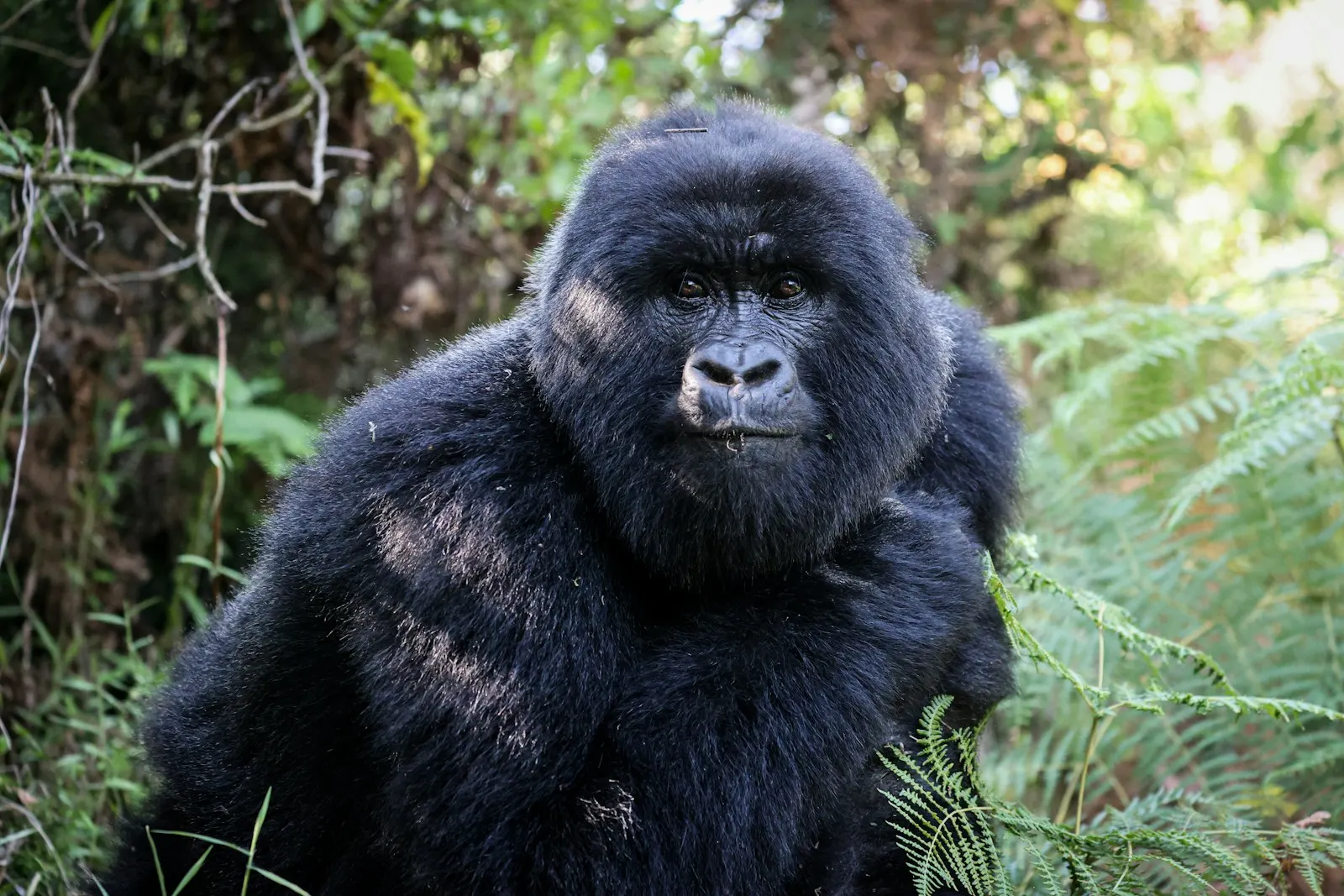
With fewer than 1,100 mountain gorillas remaining in the wild, more than half of the global population lives within the forests of the Virunga Massif, which includes Rwanda’s Volcanoes National Park. Seeing them in their natural habitat is one of the most sought-after wildlife experiences on Earth.
Yet what many travelers don’t expect is how deeply personal the experience feels. Unlike a traditional safari where wildlife may move across vast landscapes, gorilla trekking is intimate. After hiking through bamboo forests and volcanic slopes alongside experienced trackers, you’ll spend an unforgettable hour observing a gorilla family as they go about their daily lives. It’s a world that has changed remarkably little over thousands of years, shared with a species that shares around 98% of our DNA.
You’ll watch mothers gently caring for their infants, playful juveniles tumbling through the undergrowth and enormous silverbacks calmly overseeing the family. Their expressions, family dynamics and unmistakably human behaviors often leave visitors unexpectedly emotional.
A Conservation Success Story
Rwanda is living proof that conservation can succeed when wildlife, communities and tourism all benefit together. The country’s approach recognizes that protecting wildlife and supporting local communities go hand in hand. Revenue generated through gorilla permits helps fund conservation programs while a percentage is invested directly into neighboring communities through schools, healthcare facilities, roads and other development projects.
This model has transformed what was once an endangered species story into one of conservation’s greatest successes. Mountain gorilla numbers have steadily increased over the past few decades, making them the only great ape whose wild population is growing.
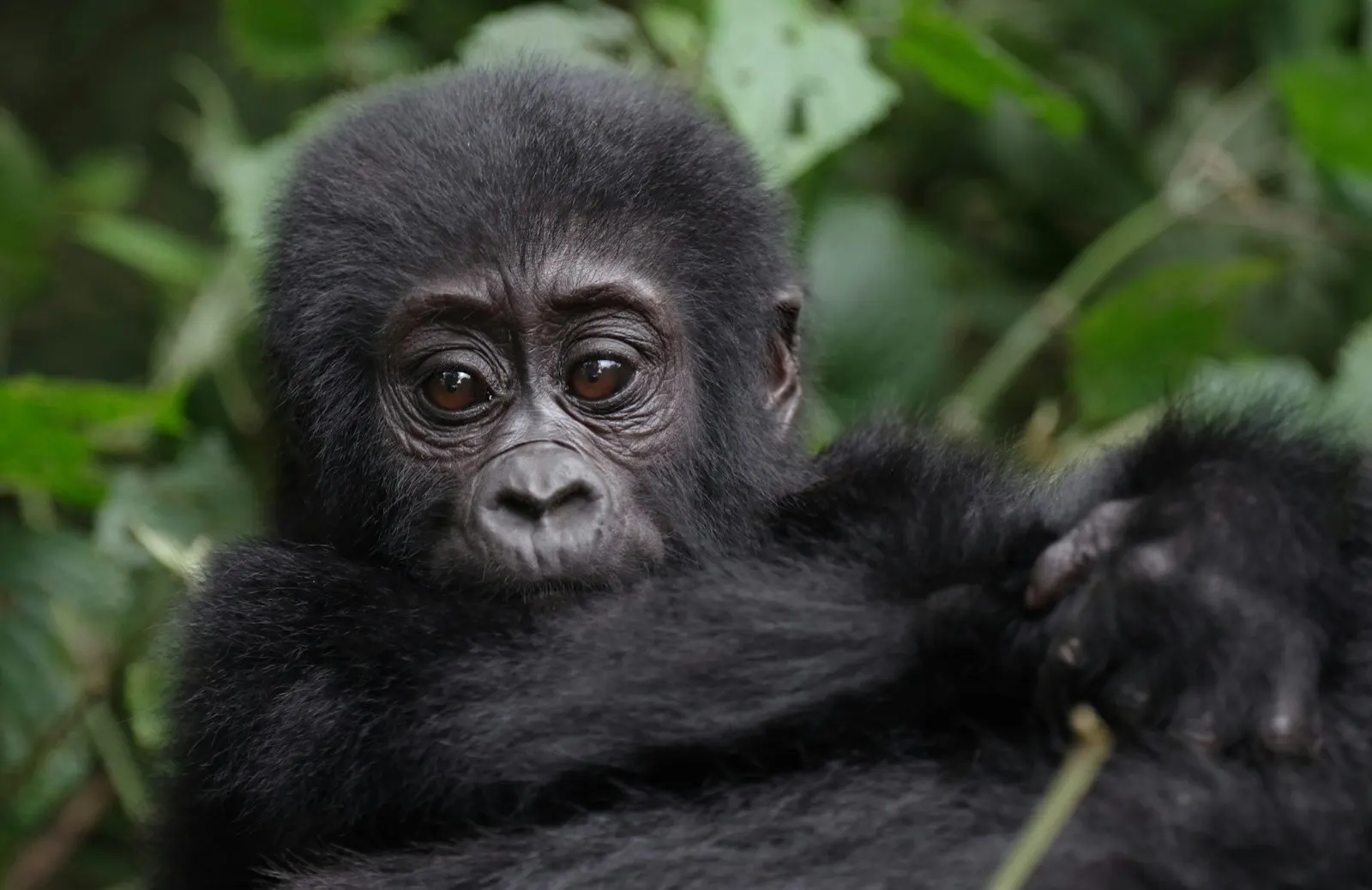
The annual Kwita Izina ceremony reflects this commitment. Inspired by a traditional Rwandan naming ceremony for newborn babies, each new gorilla born during the year is officially given a name. The event brings together conservationists, researchers, local communities and visitors from around the world to celebrate both the animals and the people working tirelessly to protect them.
The Green Heart of Africa
Long before you reach the gorillas, Rwanda has already begun to impress.
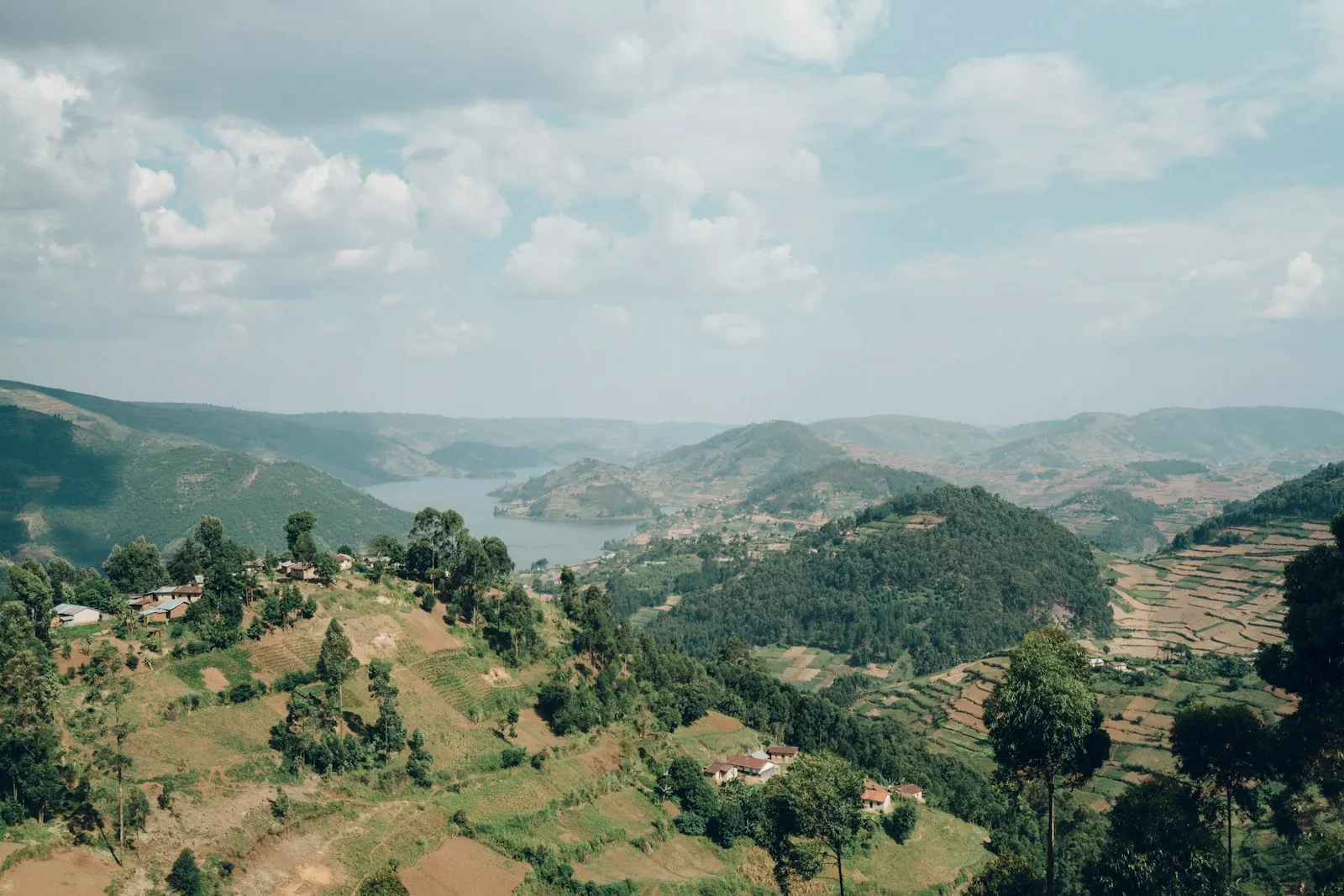
Nicknamed the “Land of a Thousand Hills,” the country is a patchwork of rolling farmland, tea plantations, dense forests and sparkling lakes. Every road seems to reveal another sweeping panorama, another hillside dotted with eucalyptus trees or another village nestled into the landscape.
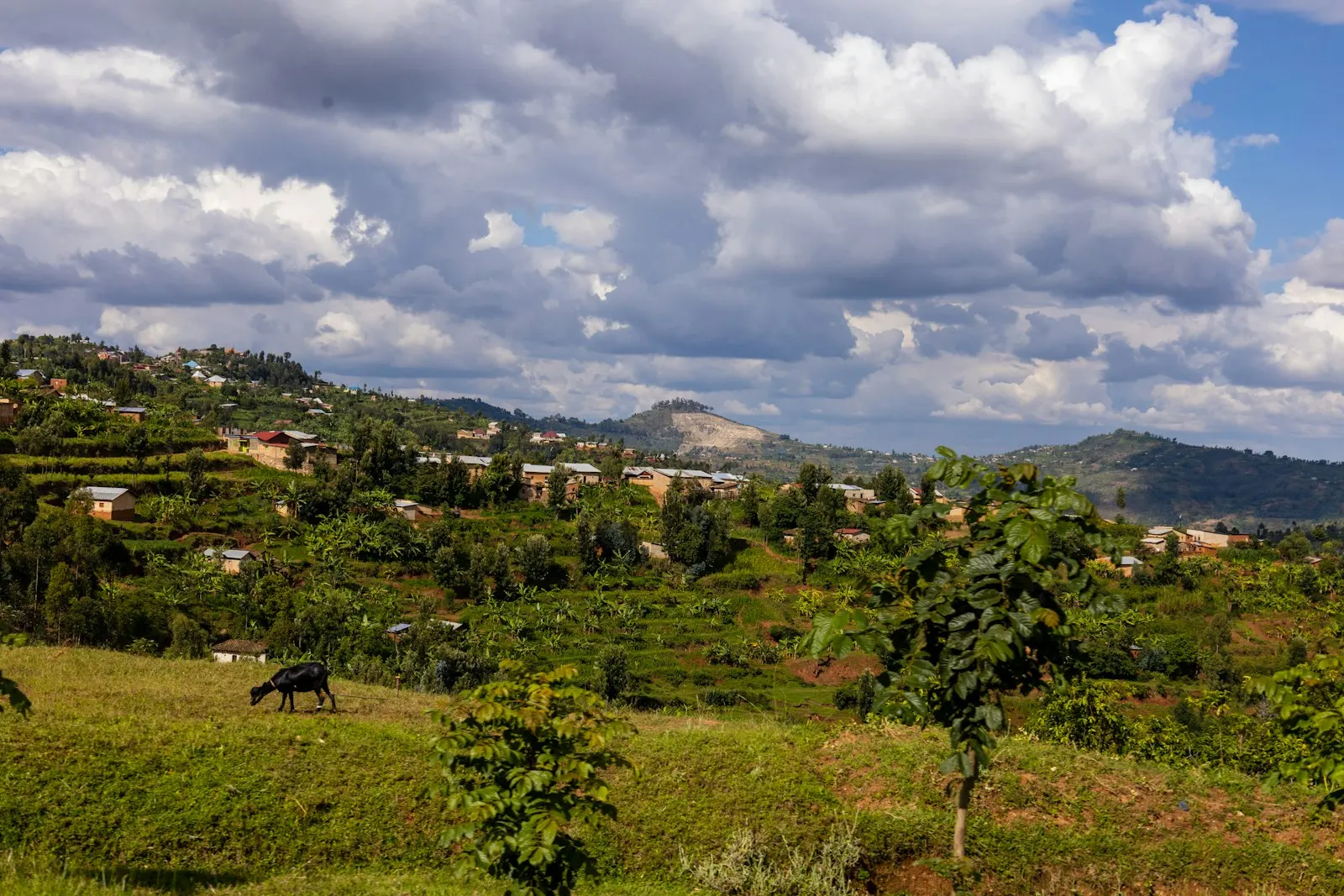
Despite its relatively small size, Rwanda’s geography is incredibly diverse. In just a few days, travelers can move from volcanic peaks to rainforest, from savannah to lakeside retreats.
The country is also one of Africa’s cleanest and most environmentally conscious destinations. Plastic bags have been banned for years, and on the last Saturday of every month, communities across the country participate in Umuganda, a national day of community service where citizens come together to clean public spaces, plant trees and improve their neighborhoods. It’s a reflection of the pride Rwandans take in their country and one of the first things many visitors notice upon arrival.
A Story of Renewal
It is impossible to understand Rwanda without acknowledging its past. The 1994 Genocide against the Tutsi remains one of the darkest chapters in the country’s history. But, over the past three decades, the country has rebuilt itself with remarkable determination. Today, Rwanda is known for its safety, stability, innovation and forward-thinking leadership.
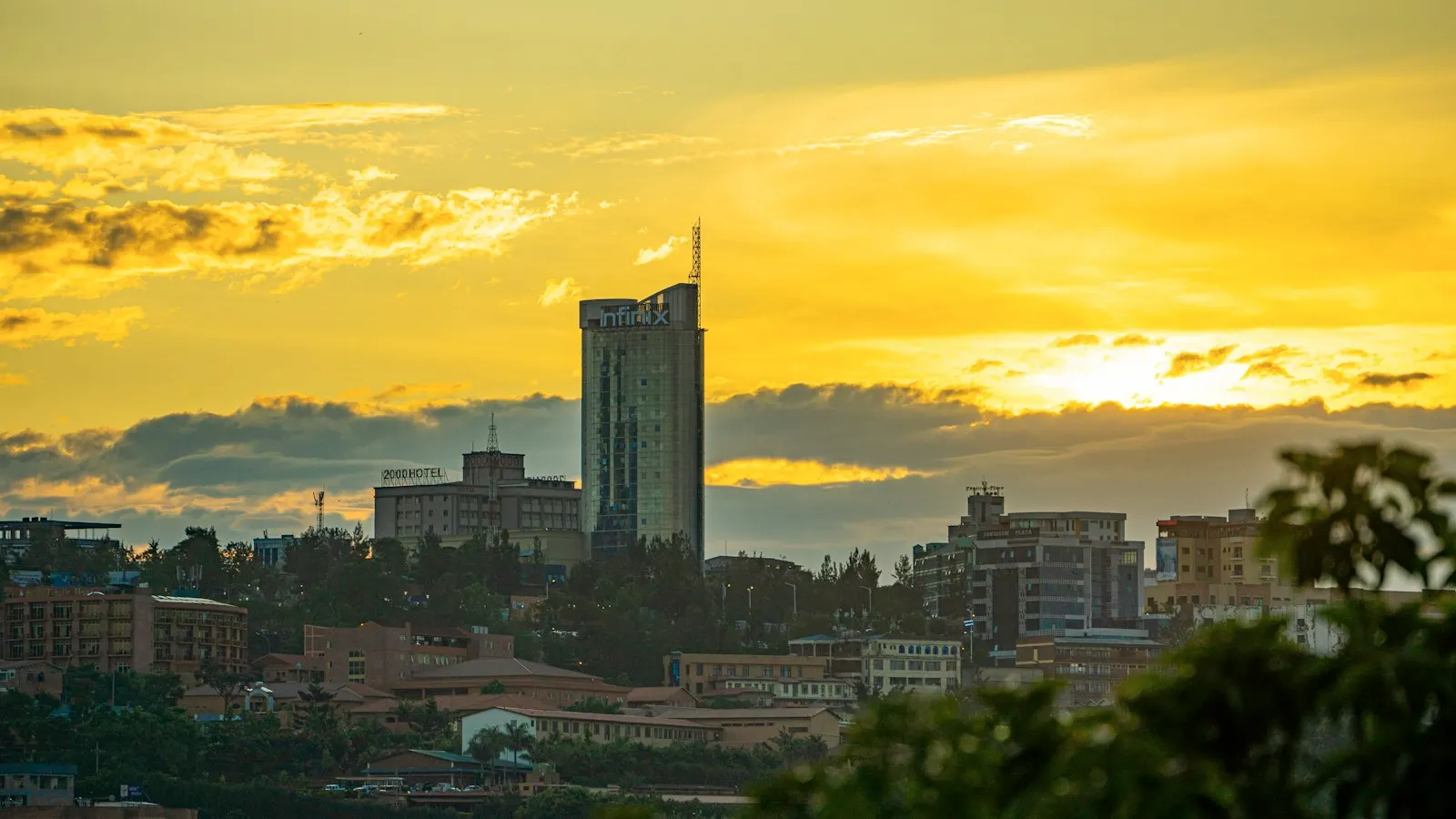
Many travelers include a visit to the Kigali Genocide Memorial as part of their time in the capital. It offers an important perspective, not only on the events of 1994, but on the resilience, reconciliation and determination that have shaped the Rwanda visitors encounter today.
Beyond Volcanoes National Park
While gorilla trekking often takes center stage, Rwanda offers far more than many travelers realize. In Nyungwe Forest National Park, one of Africa’s oldest rainforests, chimpanzee trekking takes visitors through ancient forests alive with birds, orchids and butterflies. The park is also home to one of the continent’s most impressive canopy walkways, suspended high above the forest floor.
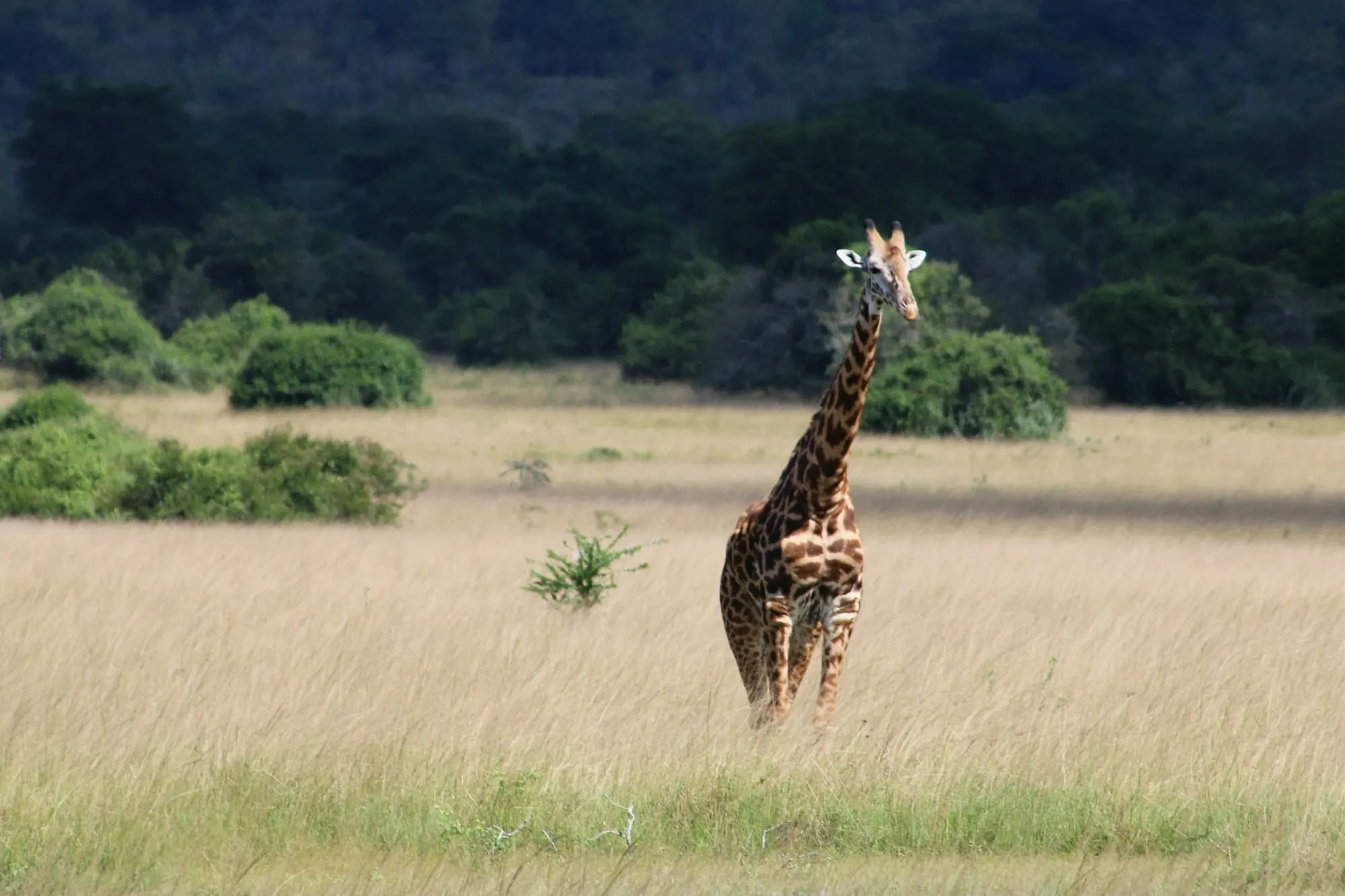
To the east, Akagera National Park tells another remarkable conservation story. Once heavily impacted by conflict and habitat loss, the park has undergone an extraordinary transformation through long-term conservation efforts. Today it is once again home to the Big Five, offering classic game drives across open savannah, wetlands and lakes that feel worlds apart from Rwanda’s mountainous west. For a country that can be crossed in just a few hours, the diversity of experiences is genuinely remarkable.
Travel That Doesn’t Feel Rushed
One of Rwanda’s greatest advantages is its accessibility. Unlike destinations that require multiple internal flights and long travel days, Rwanda’s relatively compact size means travelers spend less time in transit and more time immersed in the experience.
That allows itineraries to feel unhurried. A morning exploring Kigali’s vibrant art galleries can be followed by an afternoon drive through rolling countryside. A luxury lodge overlooking Volcanoes National Park can become your base for several days of trekking, cultural visits and quiet moments simply taking in the view.
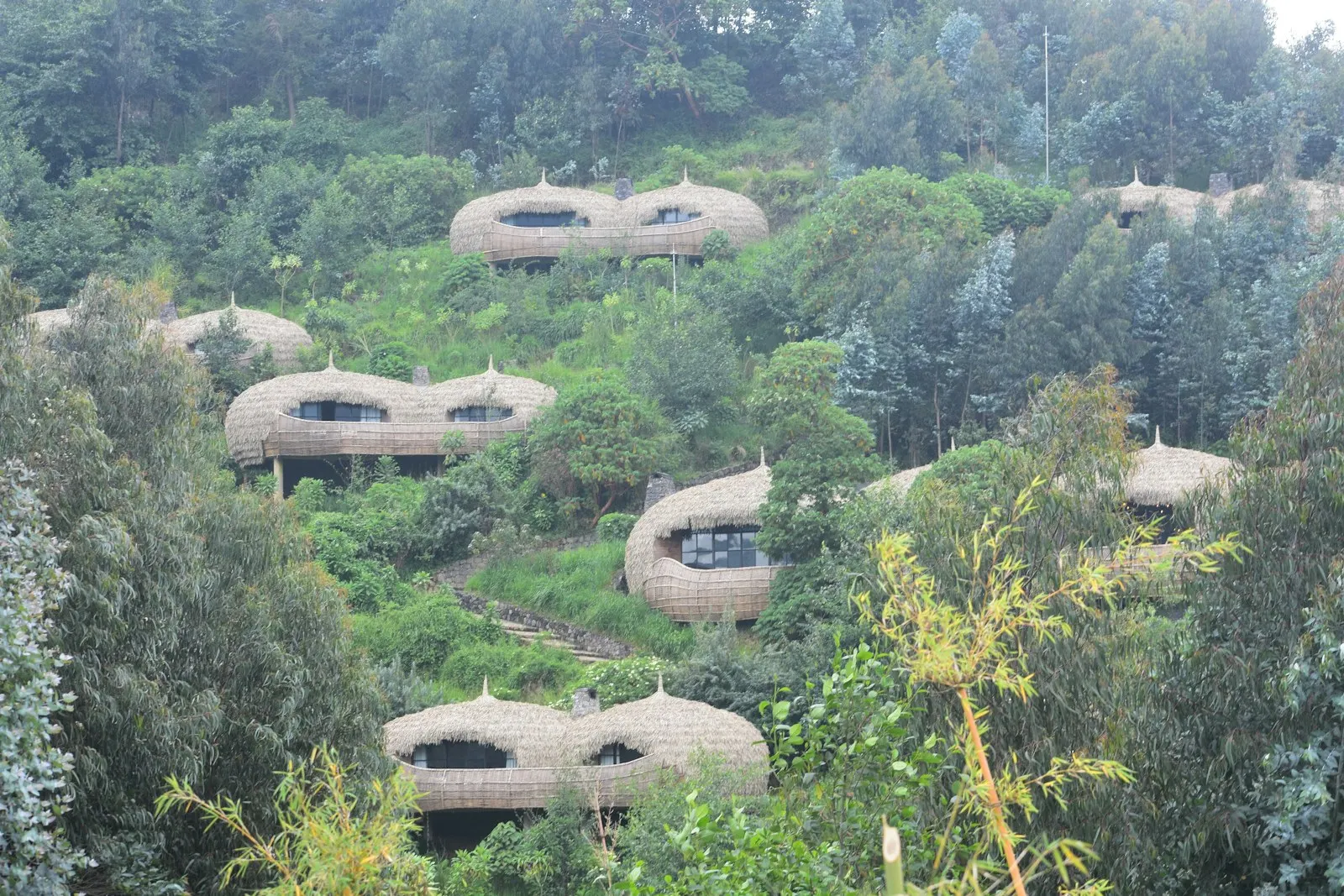
The lodges we recommend are every bit as considered as the itineraries themselves. Chosen for their warm hospitality, exceptional guiding, beautiful settings and commitment to sustainability, they offer a comfortable place to return to after each day’s adventures while remaining deeply connected to the landscapes that make Rwanda so special.
Pairing Rwanda With Tanzania
While Rwanda is a remarkable destination in its own right, many of our guests choose to add it to the end of a Tanzanian safari.
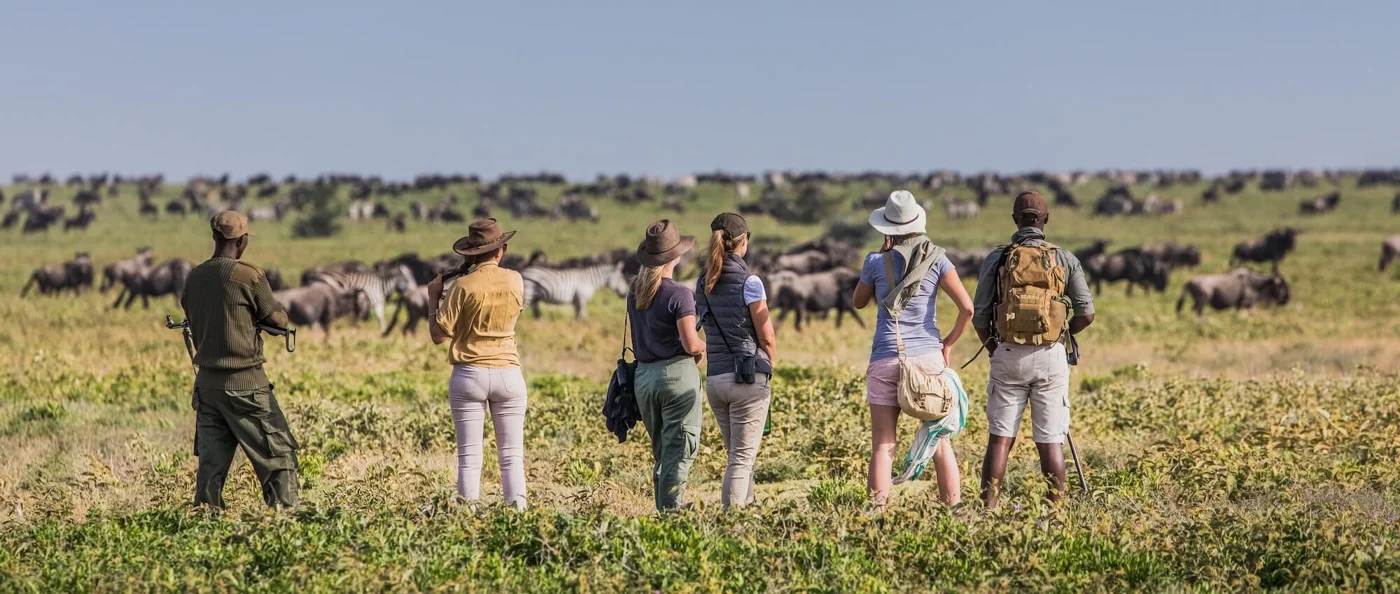
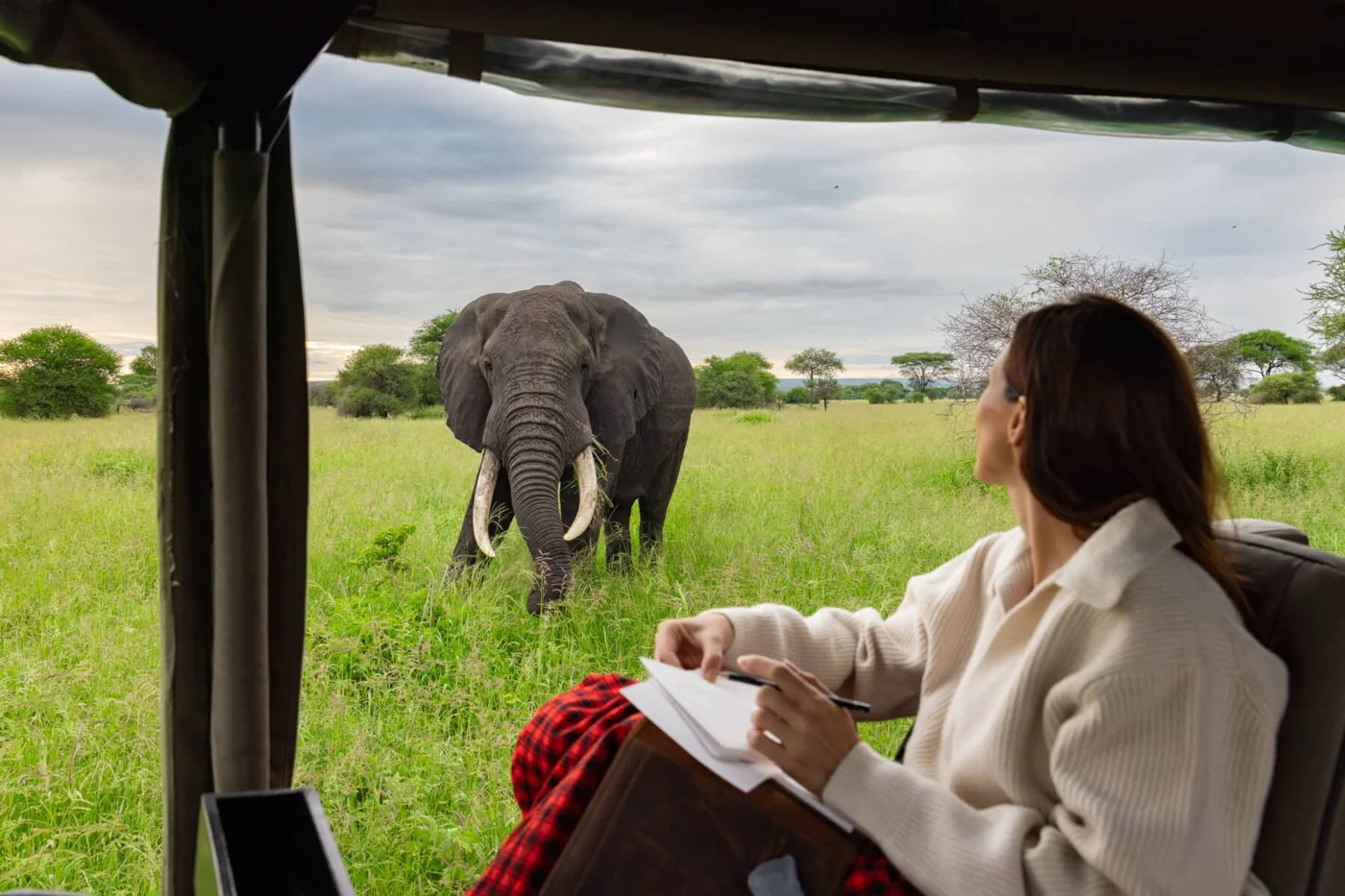
After days spent exploring the vast plains of the Serengeti, Rwanda offers a completely different kind of wildlife experience. It’s a combination that showcases two very different sides of East Africa, offering a journey that’s as diverse as it is unforgettable.
At King Mufasa Expeditions, we carefully pace every itinerary to ensure there’s time to fully appreciate each destination. Whether you’re extending your Tanzanian safari with a few nights in Rwanda or planning a longer East African adventure, we’ll create a seamless journey designed around your interests, travel style and the experiences that matter most to you.
Explore our 4-day Rwanda gorilla trekking journey or the 2-day Akagera safari and boat cruise, or get in touch and we’ll shape one around you.