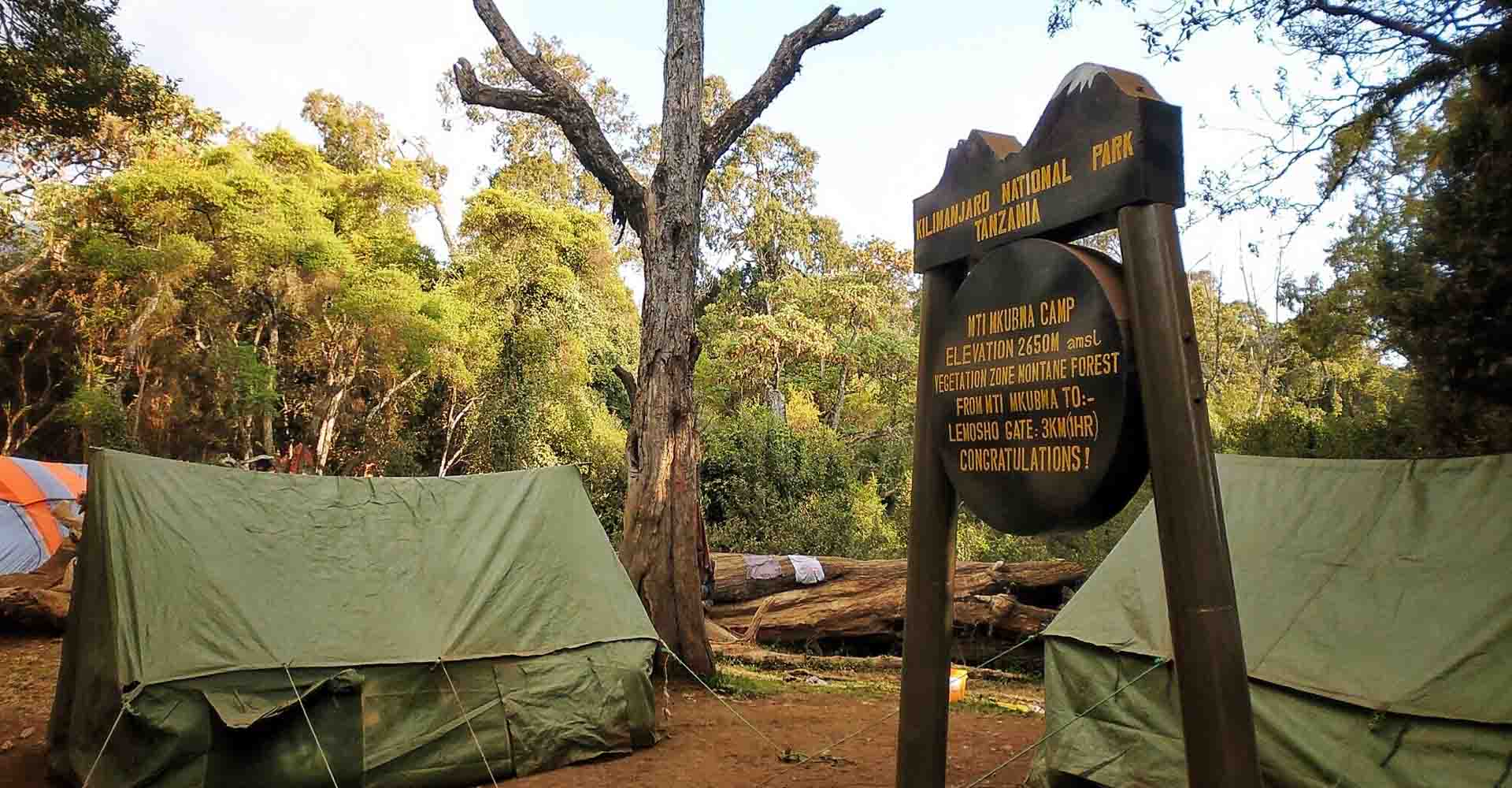
Standing at 5,895 meters (19,341 feet), Mount Kilimanjaro isn’t just a mountain; it’s a bucket-list titan. Unlike Everest or K2, you don’t need technical mountaineering skills to reach the summit, but you definitely need a solid plan. If you’re looking into trips to climb Kilimanjaro, here is everything you need to know to get from the tropical rainforest at the base to the glacial peak of Uhuru.
1. Choosing Your Path: The Main Routes
There are seven primary routes to the summit, each offering a different balance of scenery, difficulty, and success rates.
| Route | Duration | Best For… | Success Rate |
| Marangu | 5–6 Days | Hikers on a budget; only route with hut sleeping. | Moderate |
| Machame | 6–7 Days | Stunning views and “climb high, sleep low” acclimatization. | High |
| Lemosho | 7–8 Days | Those wanting a quieter start and beautiful scenery. | Very High |
| Northern Circuit | 9 Days | Maximum acclimatization and 360-degree views. | Highest |
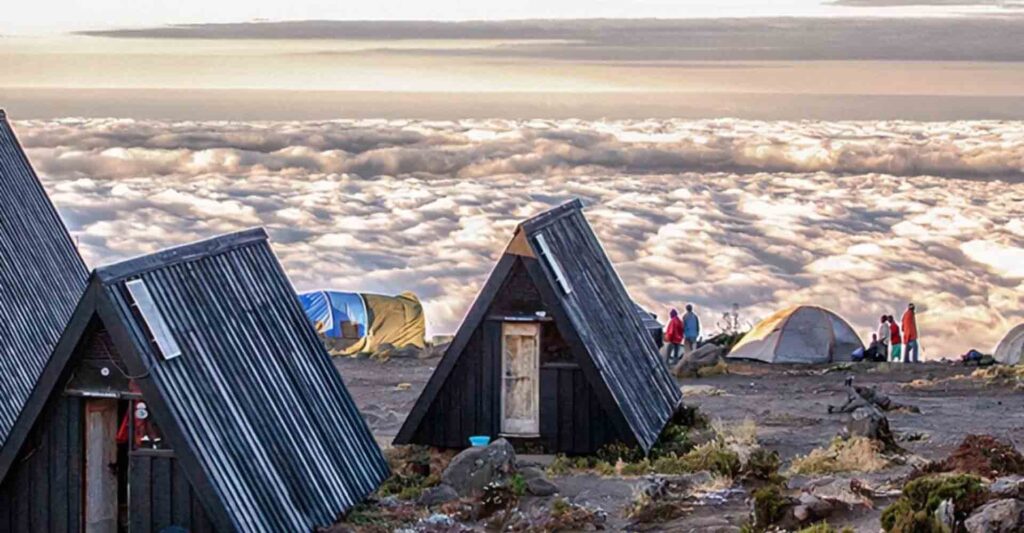
2. What to Expect: The Daily Trek Experience
For first-timers planning their trip, the “day-to-day” is often the biggest mystery. Here is the typical rhythm of life on the mountain:
- The “Pole Pole” Pace: You will hear your guides say “Pole Pole” (slowly, slowly) constantly. Even if you’re fit, walking slowly is the only way to allow your body to adjust to the thinning air.
- The Morning Routine: Most days begin around 6:30 AM with a hot cup of ginger tea or coffee brought to your tent. After a hearty breakfast, you’ll hit the trail while the porters break down camp and—impressively—overtake you to set up the next site.
- The Terrain Shift: Expect to walk through five distinct ecosystems. You’ll start in lush rainforests, move through heath and moorland, cross an alpine desert, and finally reach the arctic summit zone.
Summit Night: This is the most intense part of the journey. You’ll be woken up around midnight, dress in every layer you own, and trek upward by headlamp in freezing temperatures. Reaching Uhuru Peak at sunrise makes the grueling 6–8 hour ascent worth every step.
3. When to Go
Timing is everything. You want to avoid the “long rains” to ensure the trails aren’t a muddy slide.
- Best Times: January to March (colder but clear) and June to October (dry and popular).
- What to Avoid: April and May are typically the peak of the rainy season.

4. Preparation and Packing
You’ll experience extreme temperature swings, meaning you need to pack for everything from humid jungle to arctic tundra.
- The Layering System: Moisture-wicking base layers, a heavy down jacket, and a waterproof outer shell.
- Footwear: Broken-in, waterproof hiking boots are your most important asset.
- Hydration: Aim to drink 3–4 liters of water daily to help combat altitude sickness.
Pro Tip: Never pick an operator based on price alone. Extremely low prices often mean poor treatment of porters or compromised safety equipment like emergency oxygen.
5. Training for the Trek
While you don’t need ropes, you do need stamina. Focus on:
- Cardio: Hiking, swimming, or cycling 3–4 times a week.
- Weighted Walks: Practice walking with a 5–10kg daypack to simulate trek conditions.
- Mental Grit: Staying positive when you’re tired and cold is half the battle.
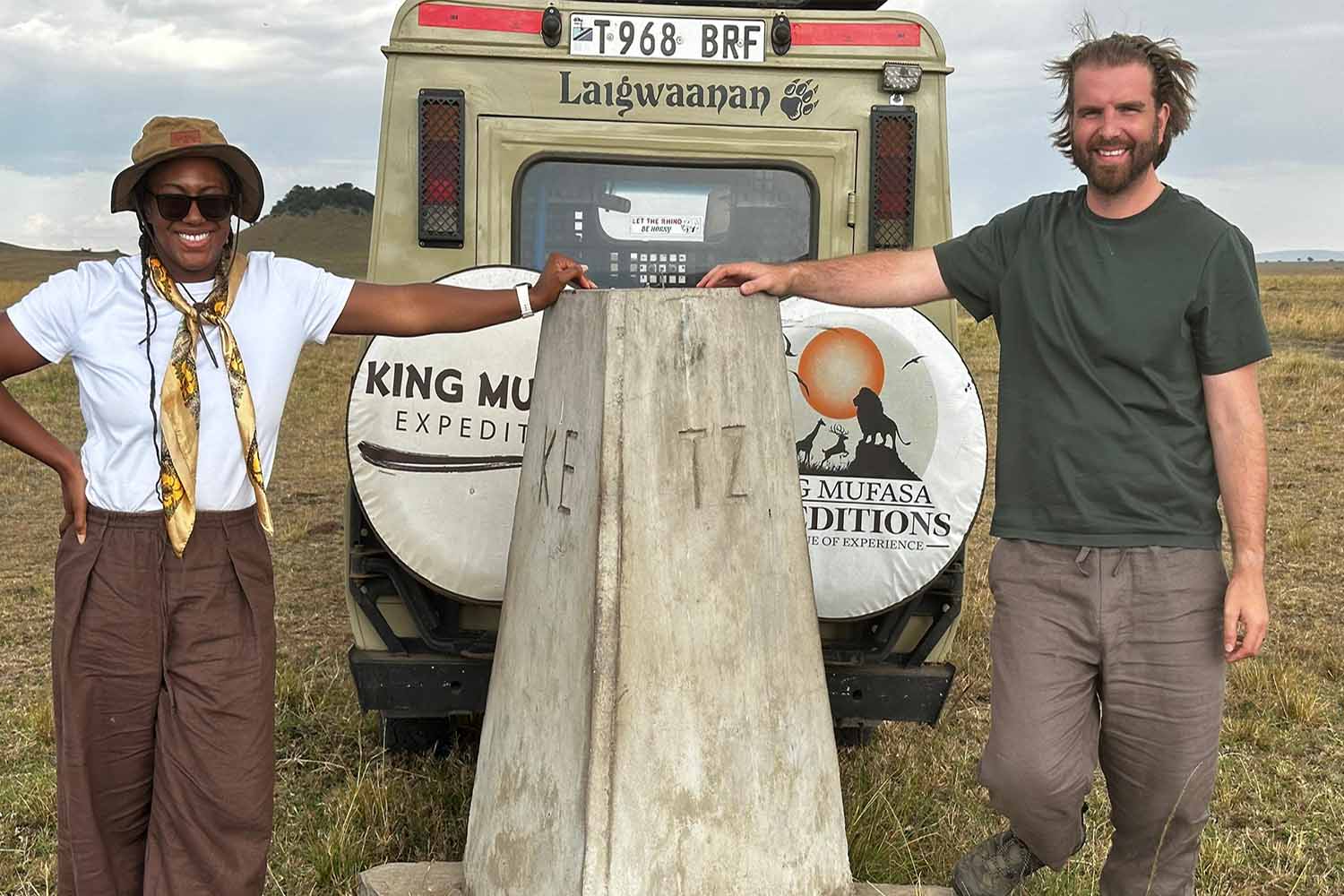
Booking Your Adventure: King Mufasa Expeditions
When researching trips to climb Kilimanjaro, selecting a reputable operator is the most critical decision you’ll make. One standout choice for trekkers is King Mufasa Expeditions.
Based in Arusha, they are known for their professional guides and personalized service. Booking with them often includes:
- Expert Guidance: WFR (Wilderness First Responder) certified guides like Lazaro and Samwel who prioritize safety and “Pole Pole” pacing.
- Diverse Options: We offer everything from the classic 6-day Marangu route to the scenic 7-day Lemosho trek.
- Seamless Logistics: From airport pickups at JRO to high-quality camping gear and fresh mountain meals, they handle the heavy lifting so you can focus on the climb.